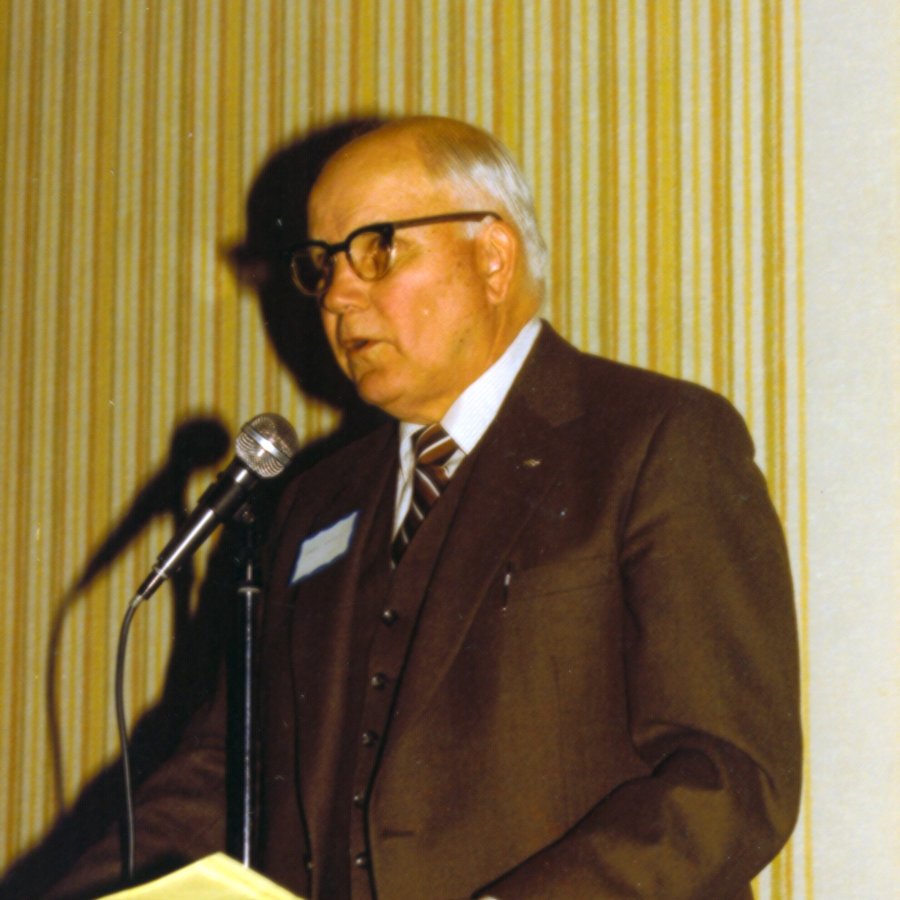
WAHF Founder Carl Guell
Carl E. Guell had a teacher’s patience, an aviator’s confidence, and a preservationist’s instinct. Long before the Wisconsin Aviation Hall of Fame existed he was already doing the work that would define it - collecting stories, documenting scenes from the sky, and showing people why aviation matters.
Read More
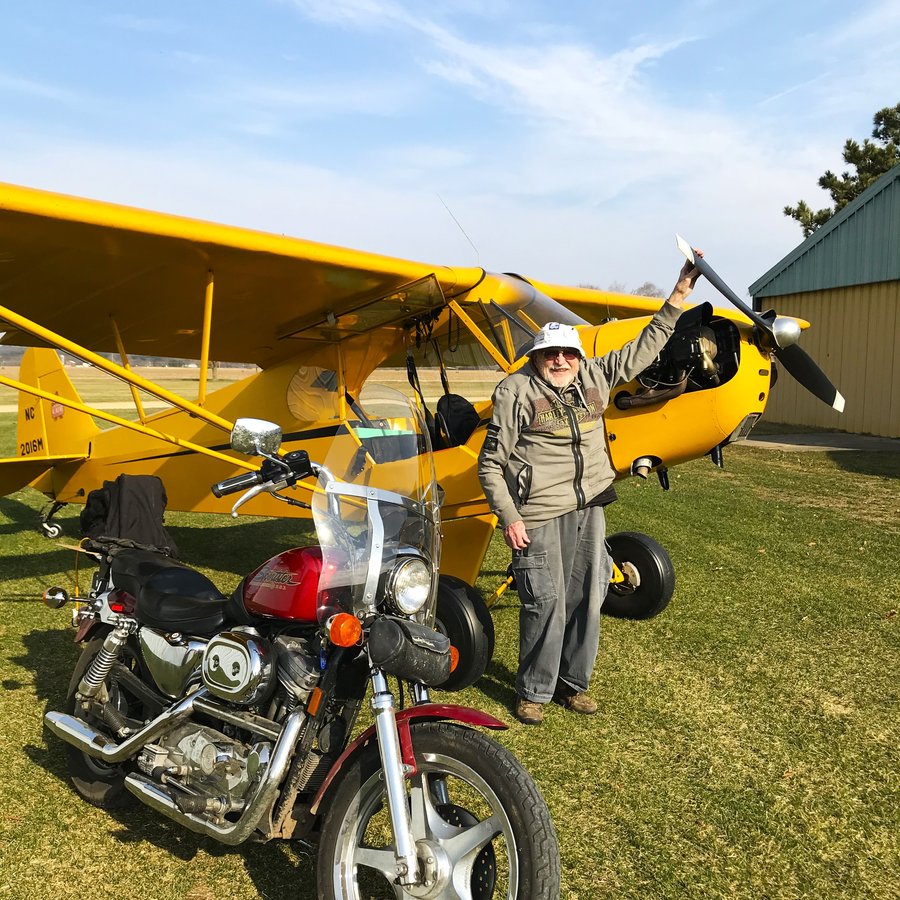
The Archie Henkelmann Story
Born in the Town of Hewitt in Marathon County, Wisconsin, in 1931, Archie Henkelmann made his mark in the world of aviation as an instructor and supervisor at the Janesville Vocational School, now known as Blackhawk Technical College.
Read More
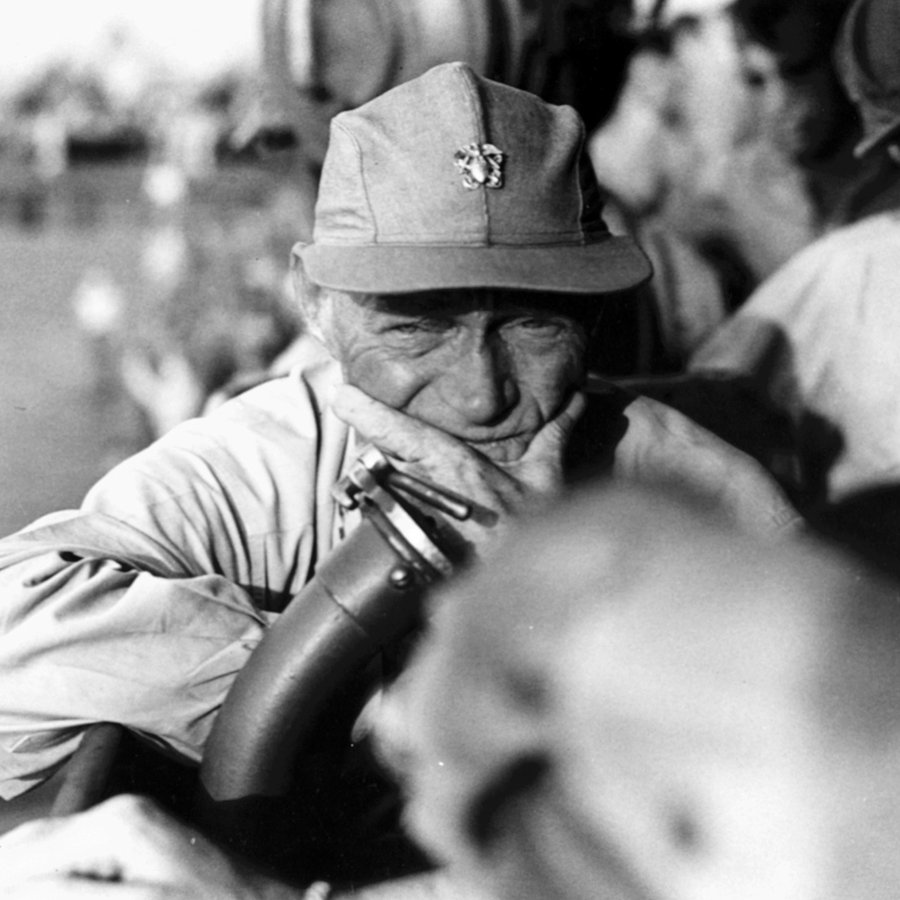
The Shooting Down of Admiral Yamamoto
James Michener was a Navy officer in World War II in the South Pacific where his duties took him to various exotic isles.
Read More
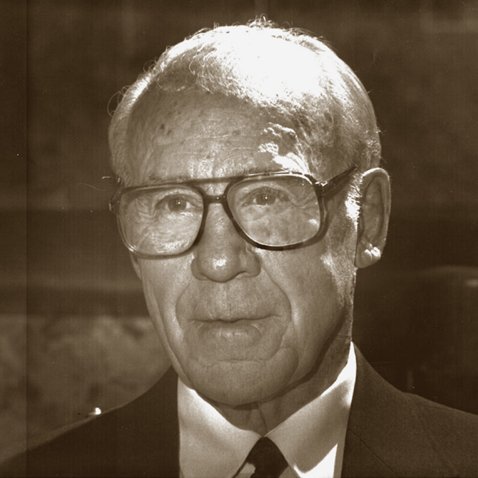
Bill Lotzer & Gran-Aire
A pilot and flight instructor, Bill Lotzer was a successful aviation businessperson and a national leader in developing general aviation in the years after World War II.
Read More
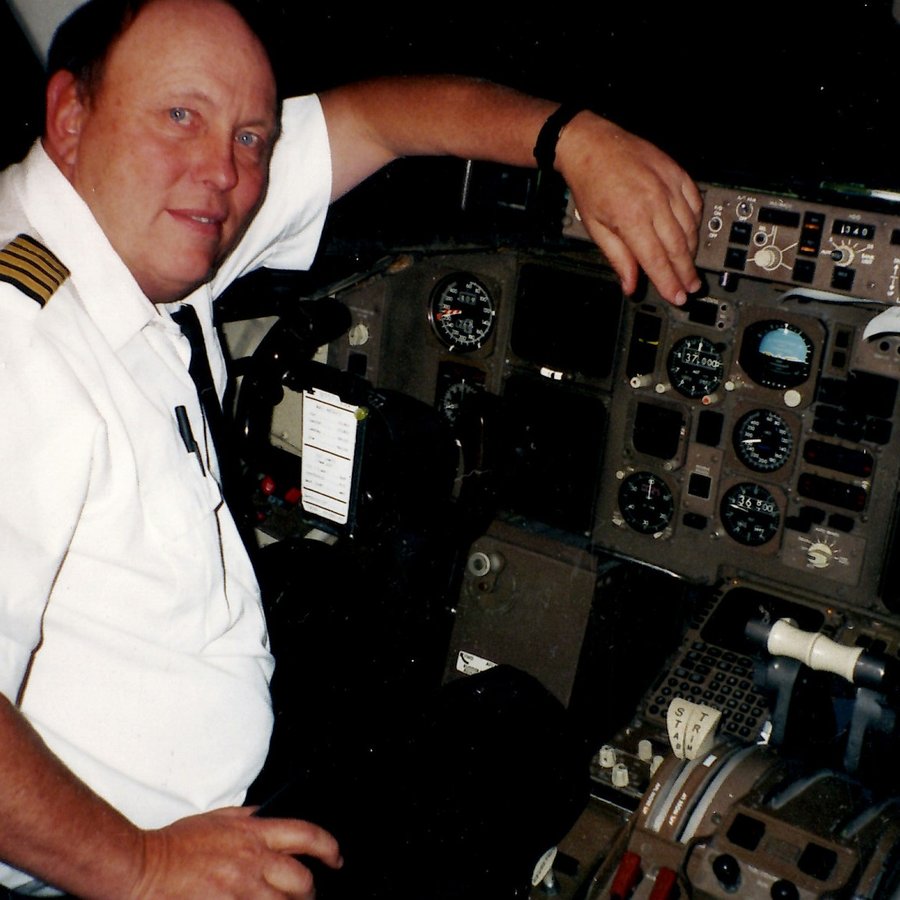
The Bob Lussow Story
Bob Lussow’s story begins as a boy watching the planes overhead going into what is now O’Hare International Airport. His greatest dream was to become a pilot. To date, he has flown over 40,000 hours in many different types of airplanes, retiring from Delta after a long career. Bob and his wife Timi moved to Wisconsin and quickly became involved with their local airport community and EAA chapter. He is continuing to fly and instruct the next generation of aviators in his retirement– living his lifelong dreams!
Read More
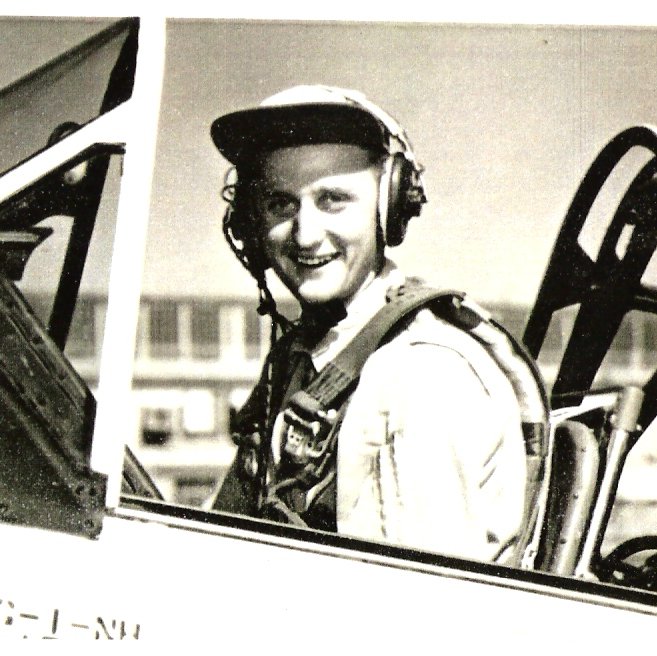
Arnold Ebneter
From the Golden Age of Aviation to an Aviation World Record
Read More
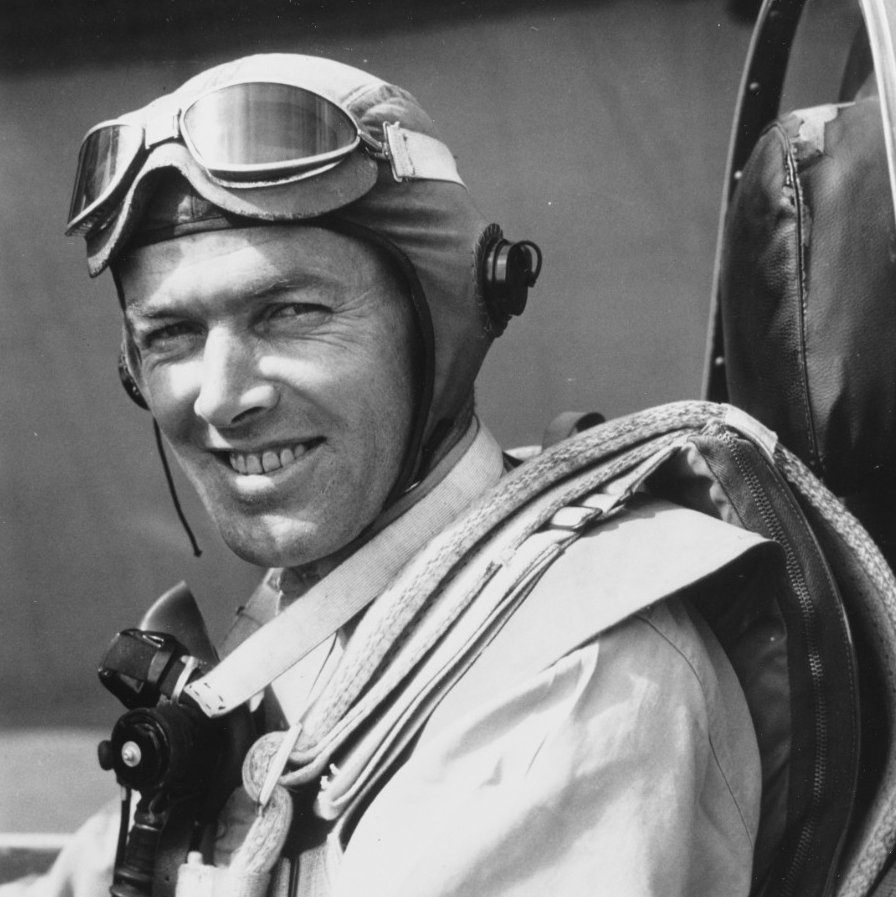
Tales of the Aces
More than 50,000 American fighter pilots saw air combat in World War I, World War II, Korea, and Vietnam. Forty-four of those pilots hailed from Wisconsin and hence could be termed ‘Badger Aces.’
Read More
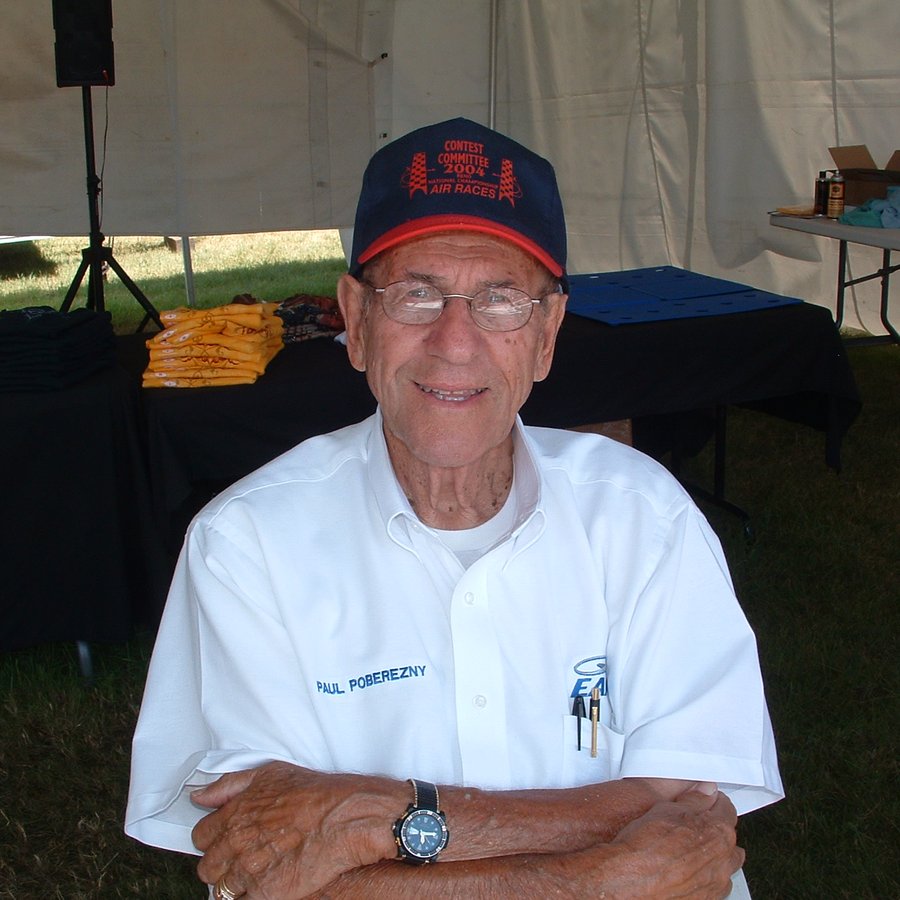
Logging Time with Paul Poberezny
From a high school biplane escapade that landed Paul Poberezny in the principal’s office to a lifetime of building, flying, and mentoring, his story celebrates the humor, passion, and dedication that keeps general aviation alive today.
Read More

Lieutenant Gerald Stull
On May 5, 1958, First Lieutenant Gerald Stull made a split-second decision that saved lives and cost him his own. When his F-102 Delta Dagger lost power over Madison, Wisconsin, Stull chose to ditch the jet into Lake Monona rather than risk crashing into the homes along the north shore. His heroism earned him a rare peacetime Distinguished Flying Cross, and decades later, a memorial now honors his selfless act.
Read More
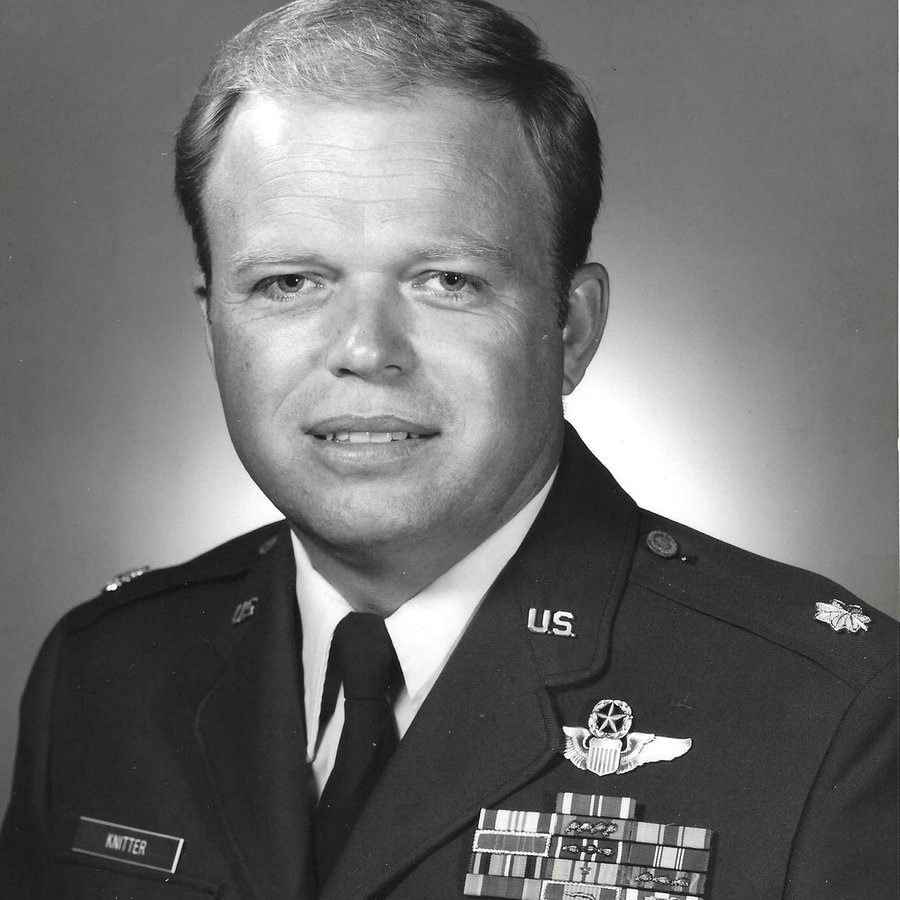
When the Rescuers Become Rescued
From Southeast Asia to the Florida panhandle, Major Leonard “Len” Knitter’s Air Force career has taken him from fixed-wing transport to flying the iconic Sikorsky HH-3E “Jolly Green” in high-stakes rescue missions. A Milwaukee native and WAHF supporter, Knitter’s story blends skill, dedication, and decades of rotary-wing expertise, offering a rare look at the life of an Air Force helicopter pilot on alert during hurricane season and beyond.
Read More
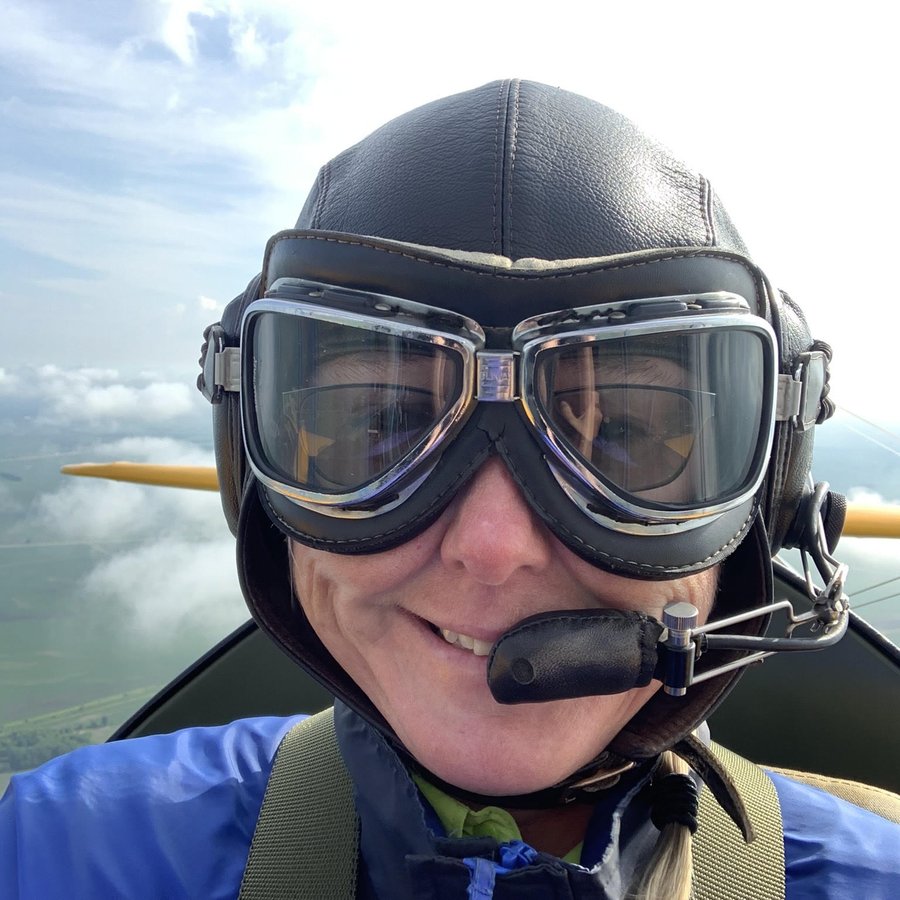
A Stearman Homecoming
While on a first date, Marie Spear fell in love with flying. She
went for a ride in a Stearman with a fellow named Pete. She not
only fell in love with flying, but in time, with the pilot, too.
Read More
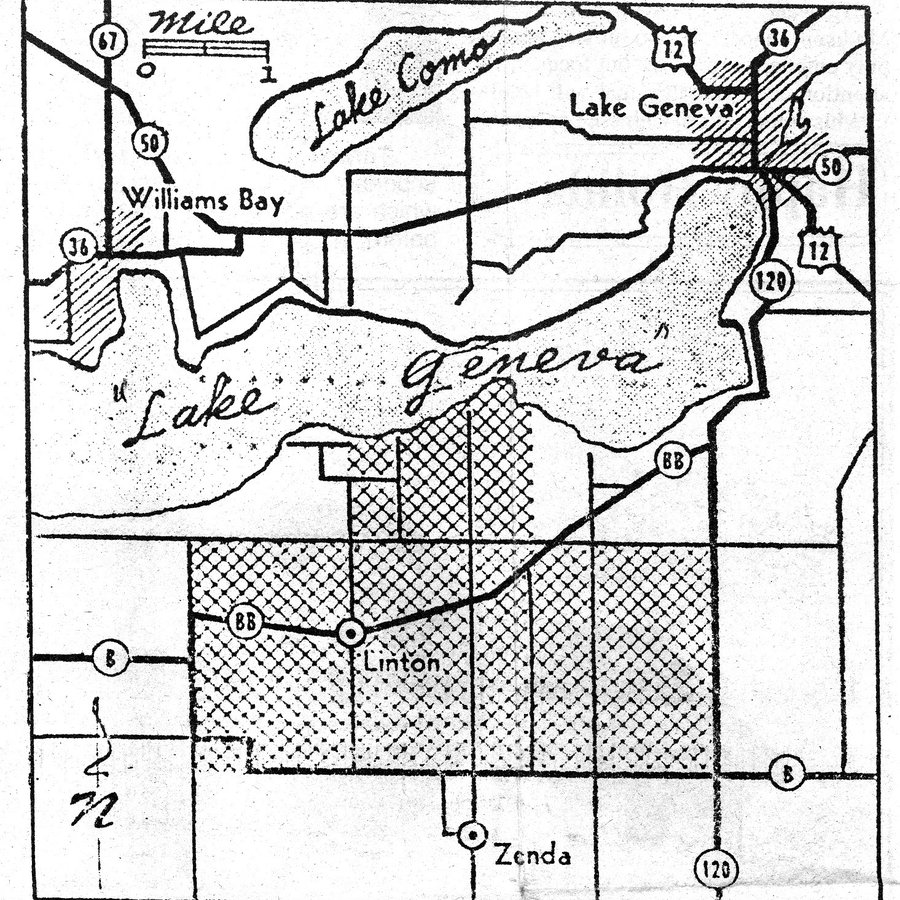
The U.S. Air Force Academy
This is a story of what might have been. A story involving Wisconsin’s “Tail-gunner Joe” McCarthy, Charles Lindbergh, President Dwight D. Eisenhower, the Wrigley family of chewing gum fame, and Wisconsin architect Frank Lloyd Wright. This is the story of how Lake Geneva narrowly missed being home to the United States Air Force Academy.
Read More
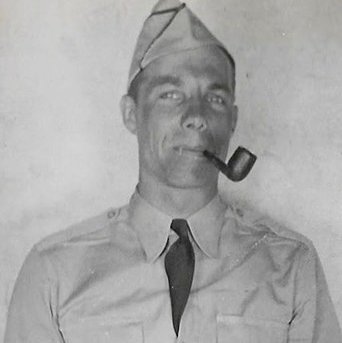
Gilbert Green’s Flying Days
In October 1985, WAHF Founder Carl Guell traveled to Minocqua to interview Gilbert “Gib” Green. The transcript of the interview tells the story of one man’s life as a Wisconsin aviator in
the 1930s and ’40s.
Read More
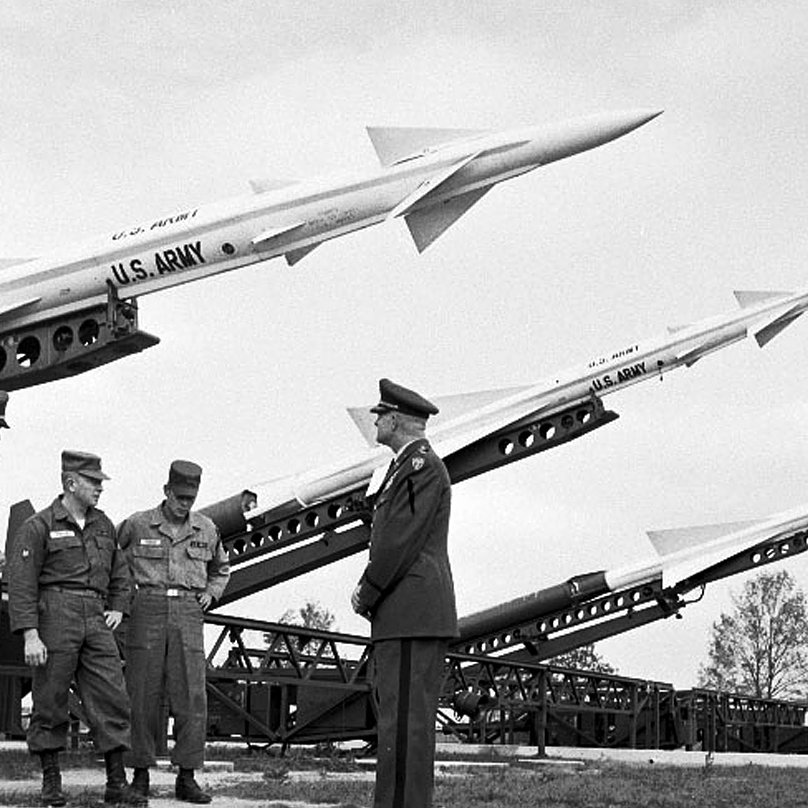
Milwaukee’s Steel Curtain
While it’s difficult to believe now, during the darkest days of the Cold War in the 1950s and 1960s, as part of those NORAD defenses, many communities in the United States had their own neighborhood missile batteries, where nuclear-tipped missiles sat at constant alert, ready to shoot down waves of Soviet bombers.
Read More